

Quick answer
A fair construction payment schedule links each payment to a completed stage — e.g. 10% mobilisation, 10% plinth, 30% across slabs, 25% masonry and services, 20% finishes and 5% retention.
On this page
Key takeaways
- Mobilisation 5–10%
- Pay per slab
- Retention 5%
- Release after inspection
01Mobilisation Advance Through Slab-Stage Payments
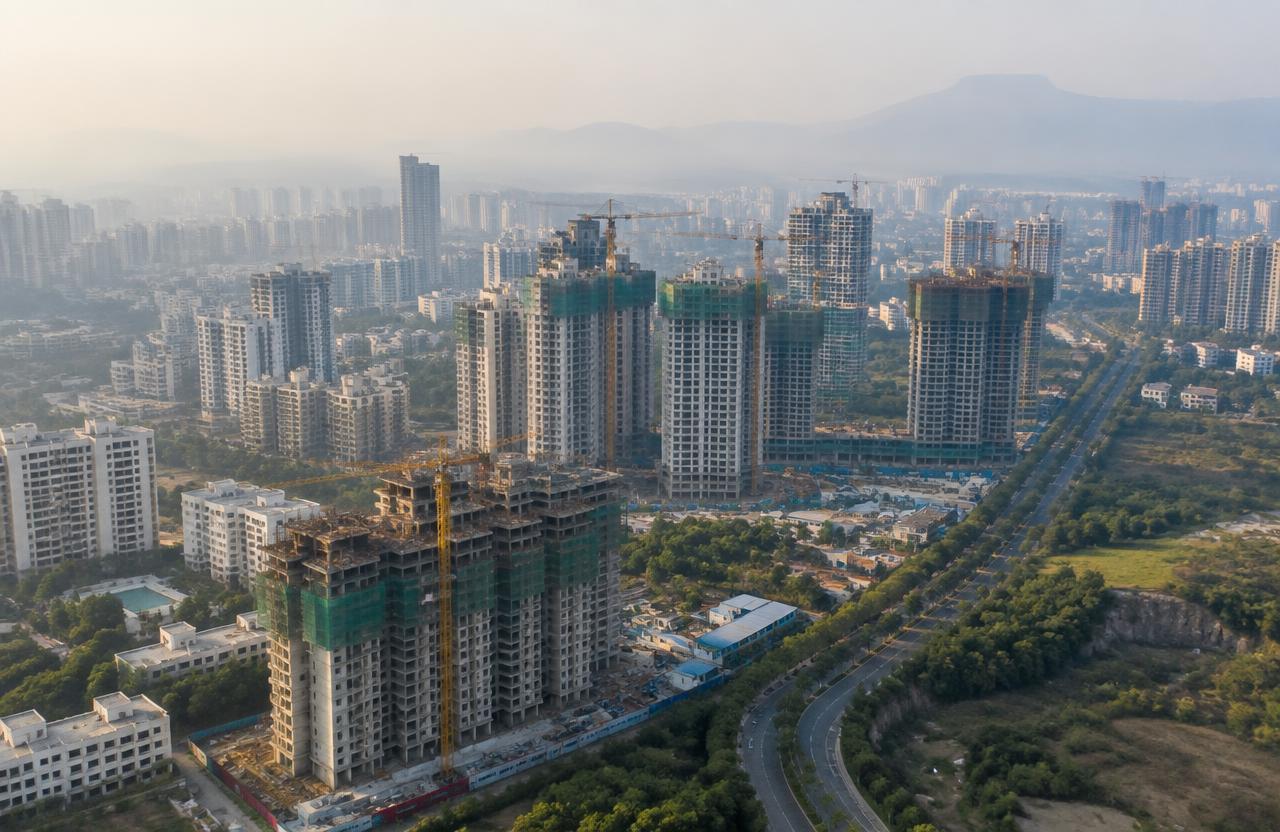
A stage-wise payment schedule exists to keep the owner's financial exposure roughly in line with the physical work actually completed on site, so that at no point has the contractor been paid for more concrete, steel or finishing than has actually gone into the building. The typical Pune-market structure starts with a mobilisation advance of 5-10% on signing, which funds the contractor's initial site setup, labour deployment and material booking — this is intentionally kept low because it is the one payment made before any verifiable work exists. From there, payments are tied to physical milestones: roughly 10% on plinth completion (footings and plinth beam cast, a good point to verify the layout matches the sanctioned plan), and the largest tranche — around 30% in total — released incrementally across the slab-casting stages, since RCC framing (columns, beams, slabs) consumes the bulk of both material cost and skilled labour time floor by floor.
02Finishing-Stage Payments and the Role of Retention
The remaining structure is typically split into about 25% for masonry, plastering and core MEP (electrical conduiting, plumbing lines, waterproofing) once the frame is complete, and around 20% for finishing work — flooring, painting, fittings, doors and windows — which is usually paid in two or three sub-instalments as each finishing trade is substantially done rather than one lump sum at the very end. A retention of around 5% held back until after the defect liability inspection is standard practice and should be written explicitly into the contract rather than left as an informal understanding, because it is this retained amount that gives the owner real leverage to get snag-list items fixed quickly rather than chasing the contractor after full payment has already changed hands.
03Why You Should Never Pay Ahead of Progress
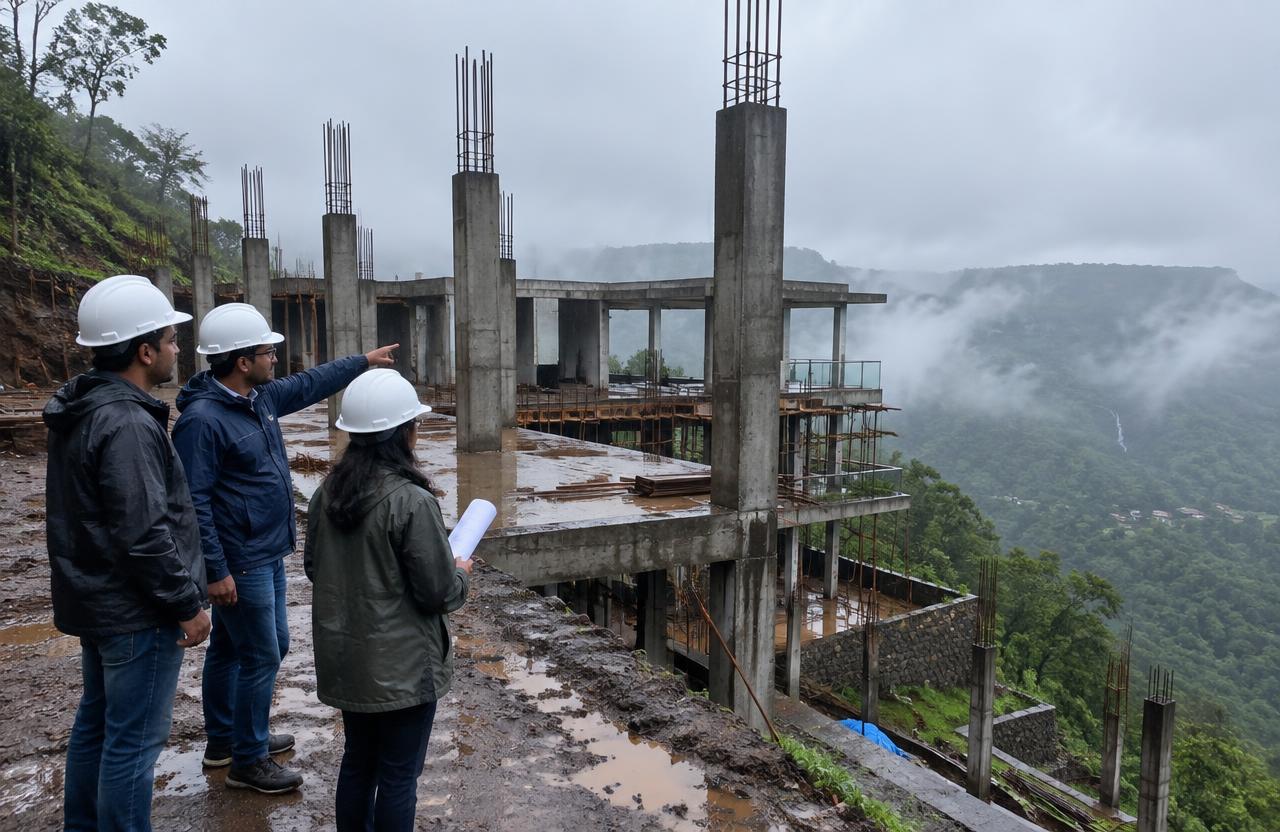
The owner's actual discipline in this system is to release each tranche only after a site inspection confirms the stage is genuinely complete — not based on the contractor's verbal claim or a WhatsApp photo — and ideally with the site supervisor or architect co-signing off. Paying ahead of physical progress is the single most common way owners lose negotiating leverage mid-project: once a contractor has been paid 60-70% of the contract value for 40-50% of actual work, there is little financial incentive left for them to prioritise your site over others, and disputes from that point become far harder to resolve in the owner's favour.
04How this applies to your project
Every plot is different — soil, access, approvals and budget change the right answer. PuneConstructions's engineers review your site and drawings and explain the options with costs, so you can decide with confidence.
Get a free site visit in Pune, PCMC & nearby
PuneConstructions is a civil construction company and turnkey contractor serving Pune, PCMC & nearby and the wider Pune region since 2009. Share your plot or building details and a project engineer will visit, check feasibility and send a line-item BOQ within 7 working days — no obligation.
Frequently asked questions
Why is the mobilisation advance kept so low compared to later payments?
The mobilisation advance (typically 5-10%) is intentionally kept low because it's the one payment made before any verifiable physical work exists on site — it funds the contractor's initial setup and material booking. Every payment after that is tied to a physical milestone like plinth completion or slab casting, which can actually be inspected before money changes hands.
What is retention money and why should I insist on it in the contract?
Retention is typically 5% of the contract value held back even after final handover, released only once the defect liability inspection is cleared. It's your real financial leverage to get snag-list items fixed promptly, rather than chasing a contractor who has already been paid 100% and has little incentive to return for small fixes.
What's the risk of paying ahead of actual progress on site?
Paying ahead of physical progress is the most common way owners lose negotiating leverage mid-project — once a contractor has received 60-70% of the contract value for only 40-50% of actual work, there's little financial incentive left to prioritise your site. Any disputes from that point become much harder to resolve in the owner's favour, so always verify the stage is genuinely complete before releasing a tranche.
Does PuneConstructions help with this?
Yes. We offer free site visits, feasibility advice and a line-item BOQ across Pune, PCMC, Panchgani, Mahabaleshwar, Bhor and nearby areas.
Where do you work?
Pune city and old peths, PCMC, Chakan–Talegaon, Lonavala, Mulshi, Bhor, Panchgani, Mahabaleshwar and surrounding towns.