
Quick answer
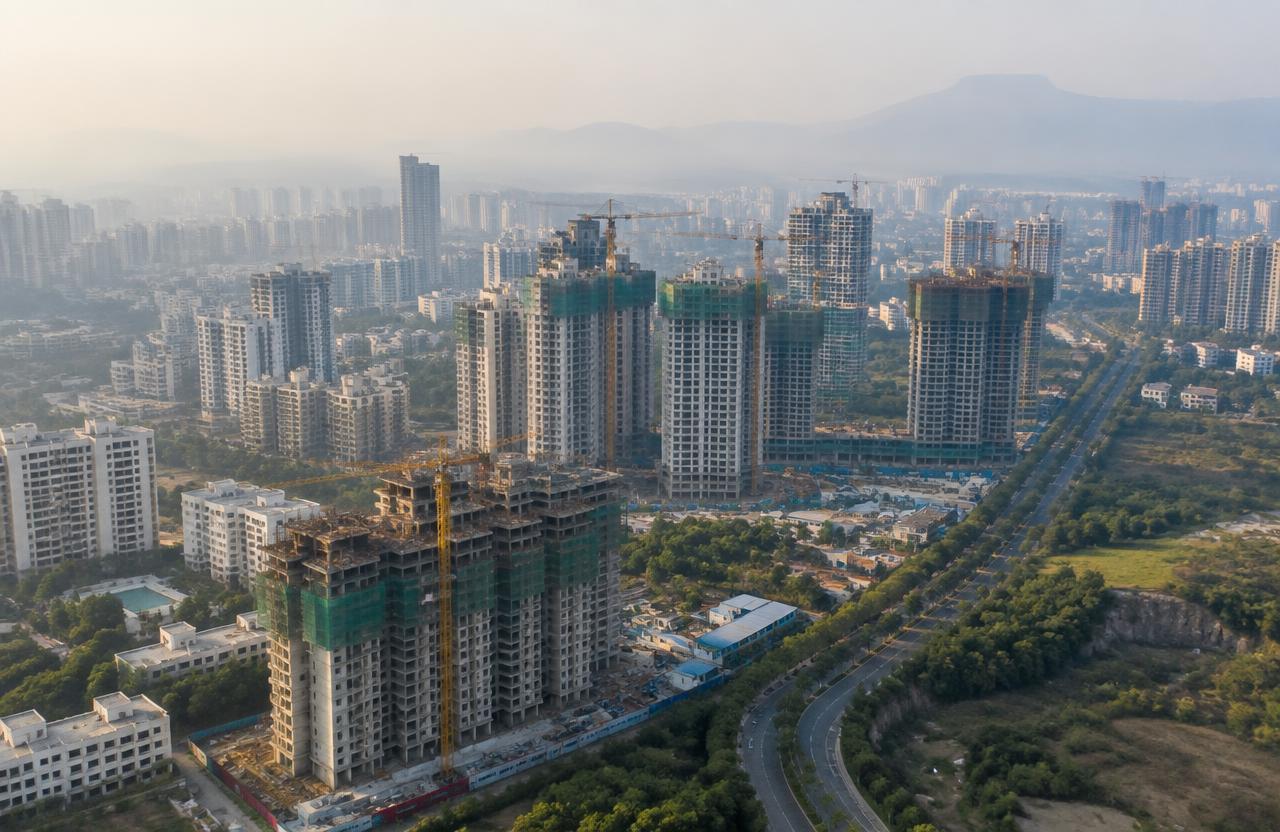
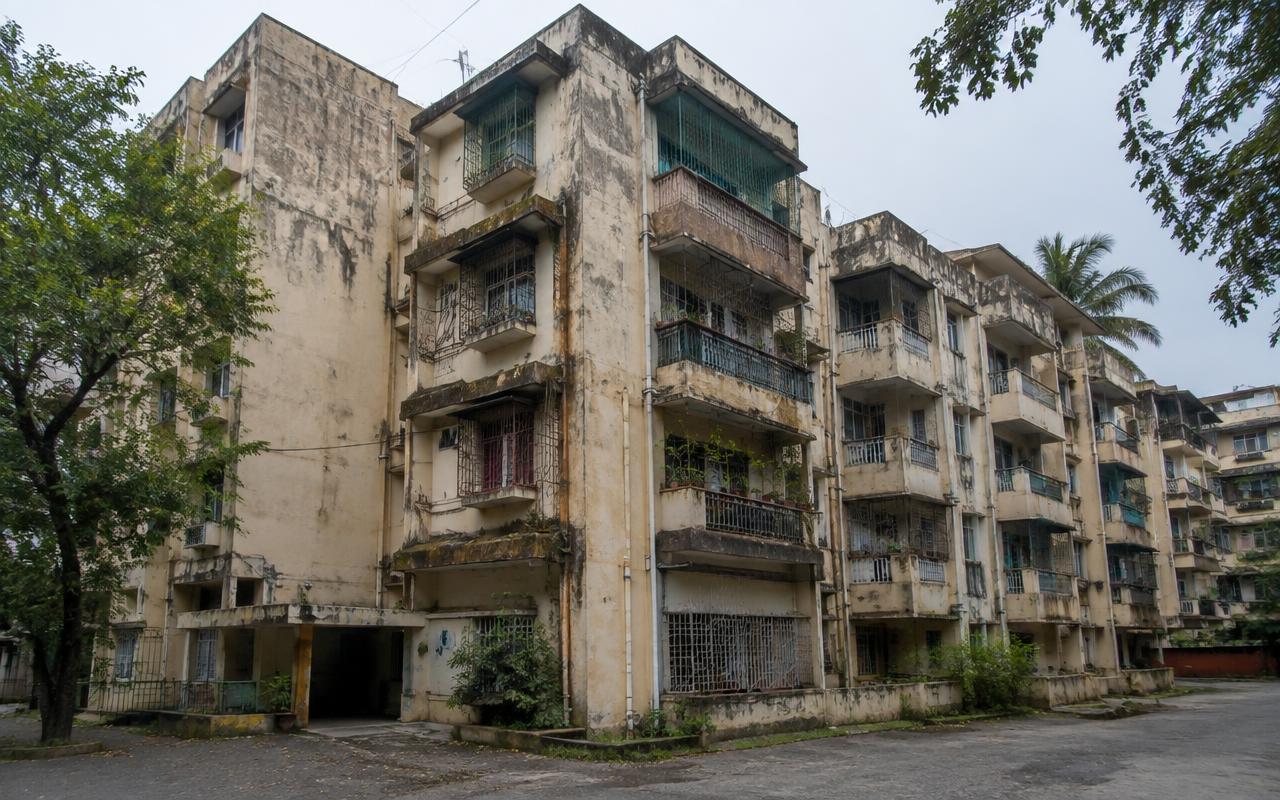
In self-redevelopment, the society hires an architect and contractor, raises finance and sells extra flats itself instead of handing the project to a builder. Members typically end up with more area and corpus.
On this page
Key takeaways
- Society retains control
- Finance from banks or pre-sales
- Needs strong PMC and contractor
- Higher returns to members
01What self-redevelopment actually means
Self-redevelopment means the housing society itself — not a private developer — drives the entire redevelopment process: the managing committee, backed by a general body resolution (cooperative society norms generally require broad member consent, commonly cited around 75%), directly engages a licensed architect as project management consultant and separately tenders and hires a contractor for construction, rather than handing the whole project to a builder in exchange for rebuilt flats.
02How the society finances construction
Financing comes from two sources used together: bank loans structured specifically for self-redevelopment (several nationalised and cooperative banks now offer these at relatively favourable terms given state government encouragement of the model) and pre-selling the 'free-sale' component — the extra flats the society can build and sell beyond what existing members need, generated from basic FSI, premium FSI, and purchased TDR together. This upfront capital funds construction before all free-sale flats are actually sold.
03The trade-off: higher returns, but the risk sits with you
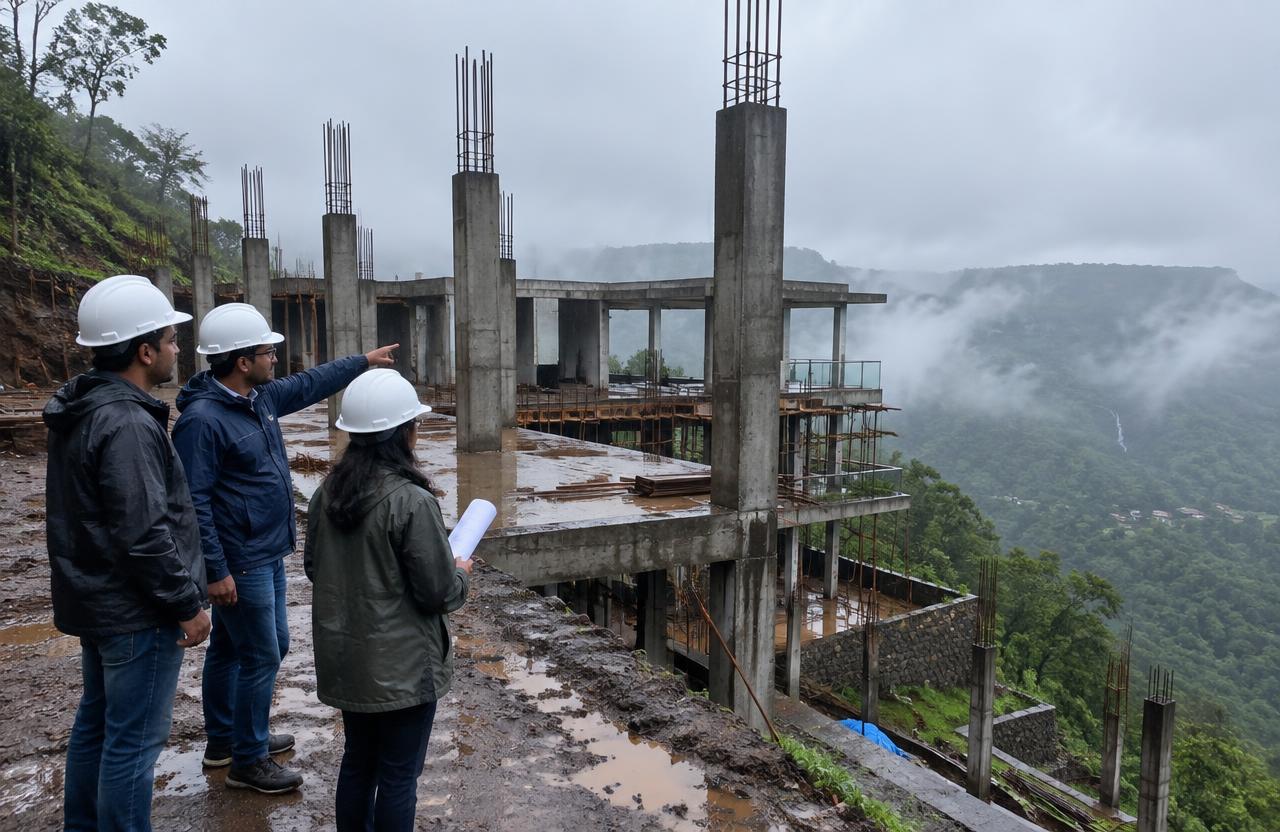
The model only works with a genuinely engaged project management setup and a financially sound, technically competent contractor, because the society itself now carries the execution and cost-overrun risk that would otherwise sit with a developer — there's no one else to absorb a cost overrun or a construction delay. In exchange, members typically end up with meaningfully more carpet area and a larger corpus fund than a builder-led deal would offer, because the roughly 20–30% margin a private developer would have taken out of the project stays within the society instead — though committee members need to be realistically prepared to commit two to three years of active, largely volunteer oversight to get there.
04How this applies to your project
Every plot is different — soil, access, approvals and budget change the right answer. PuneConstructions's engineers review your site and drawings and explain the options with costs, so you can decide with confidence.
Get a free site visit in Pune, PCMC & nearby
PuneConstructions is a civil construction company and turnkey contractor serving Pune, PCMC & nearby and the wider Pune region since 2009. Share your plot or building details and a project engineer will visit, check feasibility and send a line-item BOQ within 7 working days — no obligation.
Frequently asked questions
What percentage of members need to agree before a society can pursue self-redevelopment?
Cooperative society norms generally require broad consent, commonly cited around 75% of members, backed by a formal general body resolution, before the managing committee can commit to the self-redevelopment route rather than a builder-led one.
Where does a society get the money to pay for construction before flats are sold?
Two sources, typically combined — bank loans structured specifically for self-redevelopment, offered by several nationalised and cooperative banks on relatively favourable terms given state encouragement of the model, and pre-selling the free-sale component, the extra flats generated from FSI, premium FSI, and purchased TDR beyond what existing members need.
How much more area or corpus can members realistically expect compared to a builder-led redevelopment?
There's no fixed figure, but the main reason self-redevelopment pays more to members is that the roughly 20–30% margin a private developer would otherwise take out of the project stays within the society instead, which generally translates into a larger carpet area increase and/or bigger corpus — provided the project is executed without major cost overruns, since the society now carries that risk itself.
Does PuneConstructions help with this?
Yes. We offer free site visits, feasibility advice and a line-item BOQ across Pune, PCMC, Panchgani, Mahabaleshwar, Bhor and nearby areas.
Where do you work?
Pune city and old peths, PCMC, Chakan–Talegaon, Lonavala, Mulshi, Bhor, Panchgani, Mahabaleshwar and surrounding towns.